
I used to think speaking English made me more confident. But maybe, for the first time, it simply made me feel understood.
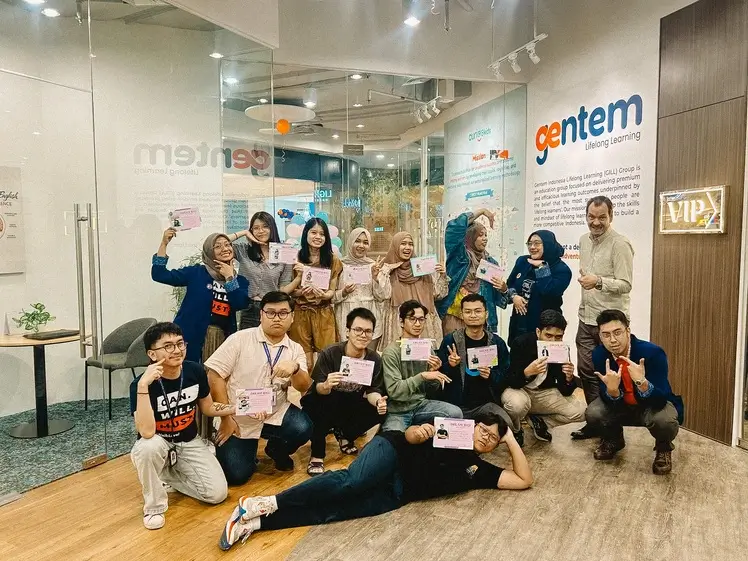
After learning English for almost two years and having many conversations in English with both my native teachers and my peers, I have become not only more confident but also more ‘myself’ when I speak English.
I might sound like I’m trying too hard to be cool by saying that, but I’m not.
However, when I brought this up to my husband, he didn’t accept it right away.
Instead, he asked me why I thought like that.
I told him that it was because I no longer felt the need to conceal anything (my real self, my dream, my aspirations) when I speak in English.
Nor did I feel the need to water myself down just to fit in.
It really struck me when he remarked that it had nothing to do with the language you speak.
It was all about the people you’re talking to.
When you speak in English, he said, you practically speak to people who share similar interests.
Take your peers, no wonder you feel more connected with them, as you’re all aiming for the same things; whether it’s to work, live, or study abroad, that’s why you enrolled in the English course, isn’t it?
Read More: What It’s Like to Learn Essay Writing at the U.S. Embassy

Not to mention your native teachers, who have experience living and working in many countries, which naturally makes your chats with them more engaging.
On the other hand, he added, when you talk to your family or the other friends of yours, to you, it’s dull, or maybe even shallow, that you need to try so hard not to sound pretentious.
You try to be somebody else only to keep the conversation going.
To this point, I agreed with him.
I genuinely don’t want to undermine anybody, that I’m much better than them, but, indeed, I could hardly connect with them if I had to put on a different version of myself.
At some point, I somehow found myself wondering: what if my future children feel the same way I do now?
That they feel uncomfortable when they speak with me, just because I fail to understand them, or can’t keep up with the topic they would love to talk about.
Listening Before Expecting to Be Heard
It can be heartbreaking for parents to realize that their children are no longer interested in talking to them.
Based on my experience as a child and my thoughts about parenthood, these are some things we should pay more attention to.
Sometimes, children begin hiding their feelings since they feel that their parents are not truly listening to what they are trying to share.
Or perhaps parents become too caught up in telling their own stories and life experiences, believing those experiences relate to what their children are going through, when all their children actually need is to feel heard first.
From that point on, I began reflecting on what I would want to do differently as a future parent.
Listen More Than We Speak
The first thing I need to learn as a future parent is how to listen without immediately jumping in to offer my opinions or advice.
As an adult, I don’t like being patronized; I’m sure my kids don’t either.
When they confide in us, they’re not looking for advice or comparisons with our own past experiences.
They simply want to feel accepted for who they are around us.
It’s also crucial to maintain eye contact with them and avoid glancing at a smartphone.
Validate Their Feelings, Don’t Judge Them
Another important thing is not to dismiss their feelings right off the bat.
I can tell how discouraging it is to get judgmental responses when we talk to someone.
Whenever my emotions were overlooked, I slowly shut down and kept things to myself, rather than opening up honestly.
So validating our children’s feelings is important, and does not mean agreeing with everything they say, but simply acknowledging that their emotions are real.
Keep Learning and Stay Connected to Their World
And lastly, parents should never stop learning. The world moves fast, along with technology, culture, the way younger generations communicate, and so on.
If we become too comfortable staying in our own world, our past, one day we may struggle to keep up with the things that excite our children.
Staying curious and open-minded may seem simple, but perhaps that is one of the ways we keep the connection alive as they grow older.
It Was Never Merely About Language

I never expected the casual talk I had with my husband that afternoon to turn into meaningful reflections for me.
What started as a simple discussion with my husband about why I feel more confident speaking English shifted into a deeper reflection on connection and the kind of parent I want to become someday.
In the end, I acknowledge that being a parent won’t be easy, and who am I to judge today’s parents?
But maybe, as someone who was once a child and hopes to become a parent someday, I believe reflections like these still matter.
Not to blame parents for every emotional distance that exists, but to remind ourselves that it’s important to make our children feel safe enough to be fully themselves around them